The Halal Shelf Is Getting Crowded: Why American Food Brands Need a Kazan Strategy Now
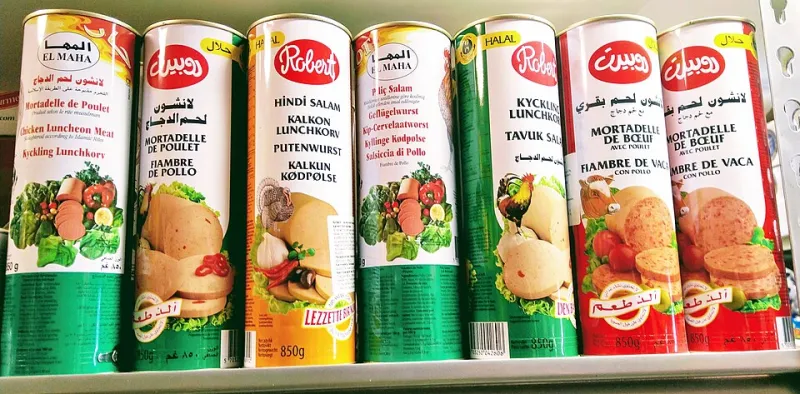
Photo: Paasikivi, CC BY-SA 4.0, via Wikimedia Commons
Halal is no longer a niche aisle in Russia's consumer economy. In Tatarstan, it is a regional export strategy, a retail category, and a certification ecosystem with its own exhibitions, distributors, and logistics networks. Kazan sits at the center of that system. For American food, beverage, and personal-care brands, the opportunity is not simply selling to Muslim consumers inside Russia. It is using Kazan as a gateway for products that can move into Central Asia and, in some cases, the Middle East. The window is real, but it is not open to brands that treat halal as a sticker on a package.
Why Kazan, Not Just Moscow
Kazan has a density of halal institutions that few other Russian cities can match. Tatarstan's government has promoted halal standards and exports as part of the region's economic identity. Local retailers, food processors, certifiers, and logistics providers have built a supply chain around the category. Moscow may be larger, but Kazan is more concentrated. For an American brand entering the market, that concentration reduces the number of meetings required to understand the system. A single exhibition week in Kazan can connect a vendor to certifiers, distributors, retail buyers, and packaging suppliers.
The Product Categories That Fit First
The easiest entry points are shelf-stable foods, ingredients, sauces, snacks, beverages, and personal-care products. Food-service equipment and packaging also have a role, particularly for local processors that are expanding halal lines. American brands should begin with products that have a clear ingredient story and a manageable certification path. Products containing alcohol, pork derivatives, gelatin, certain emulsifiers, or enzymes require closer review. Personal care adds another layer: cosmetics, shampoos, and lotions may contain alcohol or animal-derived ingredients that affect halal compliance.
Certification Is a Supply-Chain Project
Halal certification is not a marketing formality. It requires ingredient traceability, facility audits, cleaning protocols, and segregation from non-halal production. Russian retailers and distributors may ask for certification from a recognized local body. Export buyers in Central Asia or the Middle East may ask for a scheme recognized in their own markets. American brands should choose a certifier based on the target market, not simply the cheapest option. Labeling must also be adapted for Russian and Eurasian Economic Union requirements. This is a supply-chain project, and it should be scheduled before booth space is booked.
The Compliance Layer American Brands Cannot Skip
Any US company must first confirm that its products, counterparties, and payment routes are permissible under US sanctions and export-control rules. Food and personal-care products are not automatically exempt, and the compliance analysis should be done with counsel before samples or commercial documents move. This article is not legal advice. The practical point is that halal certification and US compliance are separate workstreams. Both need to be complete before a Kazan exhibition becomes a serious sales channel.
How to Use Kazan Exhibitions as an Entry Point
A halal or food exhibition in Kazan is best used as a shortlist mechanism. Pre-schedule meetings with distributors, retail buyers, certifiers, and packaging suppliers. Bring product samples only after confirming customs and import requirements. Use the show to compare certification providers and to test packaging concepts with buyers. A shared pavilion or a small booth is usually sufficient for a first visit. The goal is not to sign a national distribution deal on the floor; it is to leave with a verified shortlist and a clear certification timeline.
A 90-Day Entry Sequence
The first 30 days should be spent on product screening, US compliance review, and target-market selection. The next 30 days should be used to engage a certifier and adapt labeling. The final 30 days should be focused on exhibition meetings and distributor due diligence. American brands that follow this sequence arrive in Kazan with a credible story rather than a generic pitch. The halal shelf is getting crowded, but it is still underfilled by US brands that have done the work. Kazan is one of the few places where that work can be done in a single, concentrated market visit.